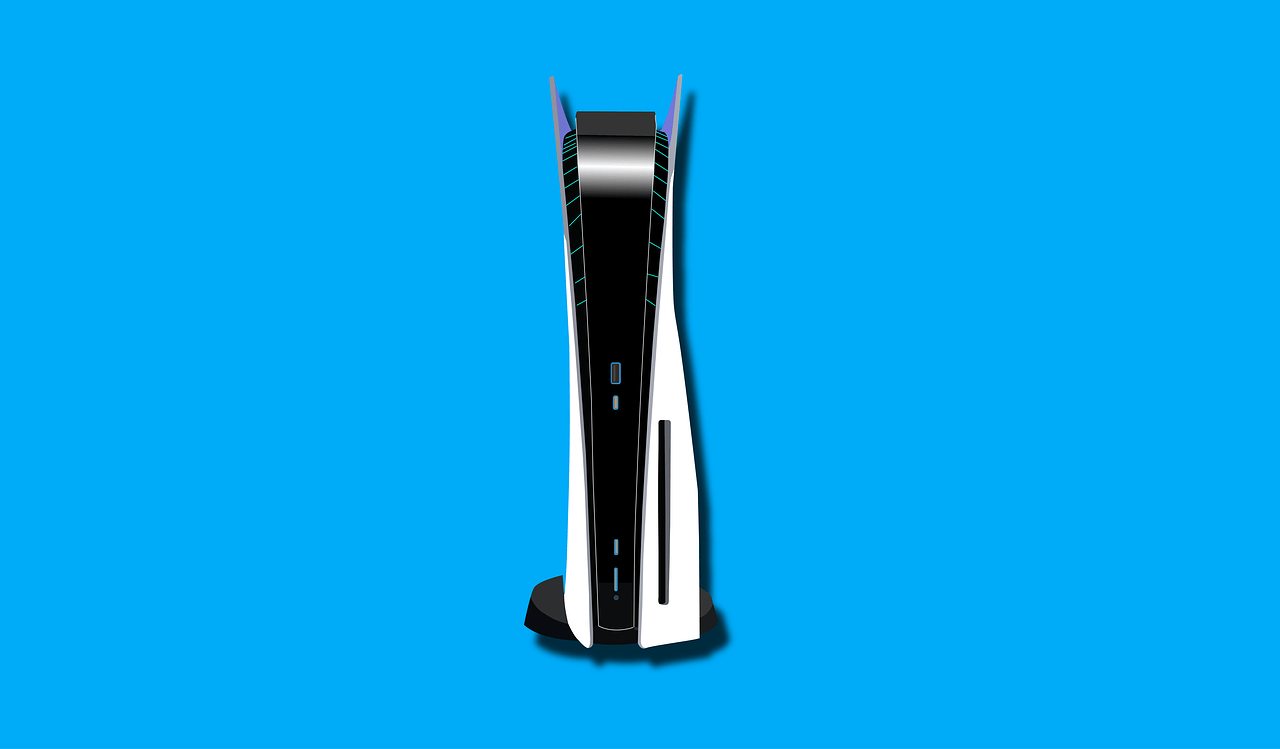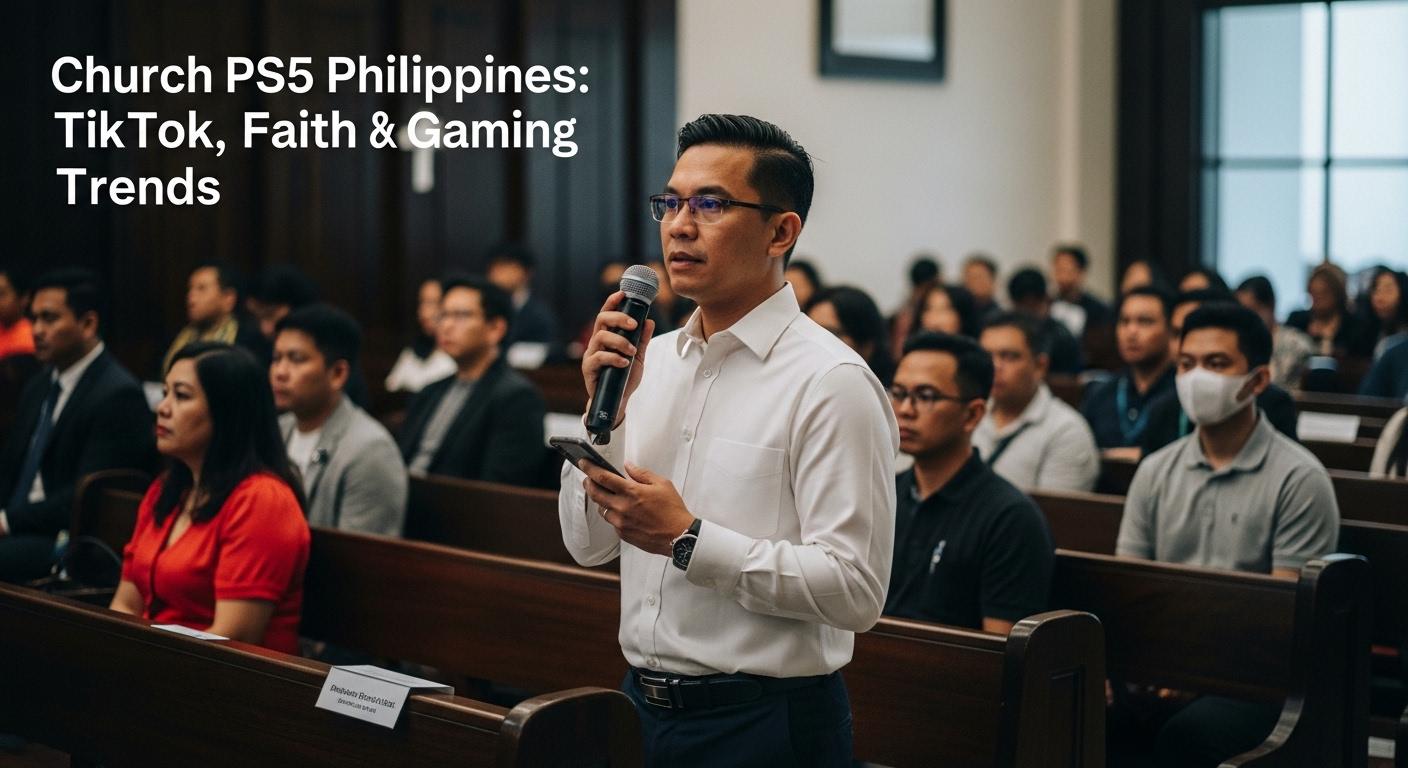
This week PS5 Philippines market snapshot reveals a confluence of social media-driven demand, local retailers recalibrating stock disclosures, and a currency environment that keeps prices in flux. Across Manila and Cebu, gamers describe a familiar triad: search for stock, compare bundles, and time purchases to online promotions. In this analysis, we examine how TikTok culture, restock cadence, and consumer expectations interact to shape the PS5 narrative in the Philippines, and what that means for players, retailers, and platform policies.
Market pulse this week: PS5 in the Philippines
Demand for the PlayStation 5 remains focused on core bundles and official channels, while unofficial marketplaces show more volatility. Retailers report occasional restocks tied to supplier shipments, and price gaps between standard units and bundles can widen after holidays or promotional periods. The Philippines’ import environment — including currency movements and logistics costs — influences sticker prices even when the list price in neighboring markets is stable. Beyond price, the timing of restocks and the visibility of stock on retailer pages drive urgency among eager buyers, a dynamic that has grown more pronounced as TikTok creators share restock alerts in real-time.
For players, the practical effect is a weekend plan: monitor preferred retailers, assess bundle value, and respect warranty conditions. For retailers, the challenge is calibrating demand signals from social content with real-world stock availability, avoiding the trap of overpromising on dates that slip due to global supply delays. In short, the market behaves as a feedback loop: online chatter shapes expectations, which in turn influence in-store and online purchasing behavior. The longer arc is a shift toward more formalized restock disclosures, as major electronics chains test refreshed inventory dashboards and cross-channel synchronization to curb confusion among first-time buyers and veteran shoppers alike.
TikTok as a demand accelerant
TikTok’s role in gaming hardware cycles has shifted from novelty to a core discovery channel in the Philippines. Short videos featuring unboxings, restock alerts, and bundle comparisons reach broader audiences than conventional ads, compressing decision timelines for a young, highly mobile constituency. Content creators who consistently post about PS5 availability can become de facto shopping guides, while livestreams and comment discussions help buyers vet sellers and navigate warranty terms. The platform’s algorithm rewards fresh content about new restocks, which can translate into swift spikes in search interest and checkout activity on the same day.
Yet the same dynamics that accelerate demand also elevate risk. The speed of TikTok-driven waves can outpace supply, pushing price premiums on bundles and encouraging resellers. Responsible creators who label promotions clearly and cite official channels can help dampen volatility, but buyers must cross-check listings with authorized retailers. In this ecosystem, social validation matters as much as spec sheets, and a credible video can tilt perceived value as much as technical specs. For buyers, the best practice is cross-platform verification: match a verified retailer page with user-generated posts that show actual stock, then confirm the warranty and return terms before committing to a bundle.
Supply chain and price dynamics
Global supply constraints and regional logistics shape the PS5’s price trajectory in the Philippines. Restock cadences depend on supplier allocations, shipping lanes, and currency movements, which can create intermittent price gaps between official stores and gray-market outlets. Retailers who offer bundles with add-ons like extra controllers or extended warranties may appear attractive at first glance, but buyers should factor in total cost of ownership and potential resale risks if the bundle becomes quickly outdated by new revisions or promotions.
From a practical standpoint, buyers should set a clear compare-contrast framework: verify the base console price, the cost of included items, and the return/warranty terms. Sellers benefit from transparent bundling that avoids misleading price signals, while platforms should enforce clear restock disclosures to reduce information asymmetry. In a market that rewards speed, accuracy and reliability of information matter more than flash discounts alone. Cross-border shipping considerations—such as customs processing times and import duties—also influence when a restock lands and how much buyers pay after all fees are accounted for.
Policy and platform considerations for gaming in PH
Across consumer electronics, the Philippines has a robust culture of warranty expectations and after-sales service. For PS5 purchasers, choosing official channels backed by manufacturer and retailer warranties reduces the risk of counterfeit or misrepresented bundles. Platforms that facilitate gaming hardware purchases can bolster trust by highlighting verified sellers, posting stock status updates, and enforcing anti-fraud measures. For TikTok, responsible content labeling—clearly distinguishing sponsored posts from organic content—helps maintain credibility and protects buyers from misleading claims. Additionally, consumer feedback loops on official store pages can guide policy improvements around restock transparency and return policies.
Actionable Takeaways
- Track restock cycles at official PlayStation retailers and major electronics stores; set price alerts and follow credible creators who verify stock via official channels.
- Weigh bundles against standalone consoles, ensuring the bundle’s added value justifies any premium and confirms the seller’s return and warranty terms.
- Use TikTok as research, not sole source; cross-check with retailer listings and the manufacturer’s site before purchasing.
- Prepare for variability around holidays and promotions; have a planned buying window rather than chasing last-minute deals.