Updated: April 8, 2026
Exploring the Evolution of TV Games: From Pong to PlayStation 5
Television games, commonly referred to as video games, have undergone a tremendous transformation since their inception. From the simplistic graphics of Pong to the breathtaking realism of the PlayStation 5, the journey of TV games is a fascinating tale of technological innovation and creative storytelling. In this article, we delve deep into the evolution of TV games, examining key milestones and developments that have shaped the industry.
The Birth of TV Games: Pong and the Early Days
In 1972, a simple arcade game called Pong was introduced to the world, marking the birth of the television game industry. Created by Atari, Pong was a two-dimensional table tennis simulation that captured the hearts of players with its straightforward yet addictive gameplay. This game laid the foundation for the video game revolution, demonstrating that interactive entertainment had a place in living rooms across the globe.
The success of Pong led to a surge of interest in video games, inspiring the creation of numerous similar titles. During the late 1970s and early 1980s, home consoles like the Atari 2600 became a staple in households, allowing families to enjoy a variety of games from the comfort of their couches. This era saw the introduction of iconic games such as Space Invaders and Pac-Man, which further cemented the popularity of TV games.
The 8-Bit and 16-Bit Era: Expanding Horizons

The 1980s and early 1990s witnessed significant advancements in video game technology, characterized by the transition from 8-bit to 16-bit graphics. This era was dominated by two major players: Nintendo and Sega. The Nintendo Entertainment System (NES), released in 1985, revolutionized the industry with its groundbreaking titles like Super Mario Bros. and The Legend of Zelda. These games introduced complex narratives and intricate gameplay mechanics that captivated audiences worldwide.
Sega entered the fray with its Genesis console, known as the Mega Drive in some regions, which boasted impressive 16-bit graphics and a library of engaging games. The rivalry between Nintendo and Sega defined this era, as each company sought to outdo the other with innovative hardware and software. Games like Sonic the Hedgehog and Street Fighter II pushed the boundaries of what was possible, offering players new levels of excitement and challenge.
The Rise of 3D Graphics: A New Dimension
The mid-1990s marked a pivotal moment in the evolution of TV games with the advent of 3D graphics. This technological leap was made possible by more powerful processing capabilities and advancements in graphics rendering. The release of the Sony PlayStation in 1994 heralded a new era, as games like Final Fantasy VII and Tomb Raider showcased the potential of 3D environments and character models.

Nintendo also embraced 3D graphics with the launch of the Nintendo 64 in 1996. Titles like Super Mario 64 and The Legend of Zelda: Ocarina of Time captivated audiences with their immersive worlds and innovative gameplay mechanics. The transition to 3D graphics transformed the gaming experience, allowing for more dynamic and visually appealing interactions.
The Online Gaming Revolution: Connecting Players Worldwide
The late 1990s and early 2000s saw the rise of online gaming, which fundamentally changed the way players interacted with TV games. The ability to connect with others over the internet opened up a world of possibilities, enabling cooperative and competitive play on a global scale. Microsoft’s Xbox Live service, launched in 2002, was a pioneer in this field, providing a robust platform for online gaming and communication.
Online gaming also led to the emergence of massively multiplayer online games (MMOs), such as World of Warcraft, which offered expansive virtual worlds for players to explore and interact with. These games became social hubs, where players could forge friendships and engage in epic adventures together. The shift towards online connectivity has continued to influence the design and development of TV games, emphasizing the importance of community and shared experiences.
The Modern Era: High-Definition and Beyond
As technology continued to evolve, so did the capabilities of TV games. The introduction of high-definition graphics and advanced processing power allowed for even more realistic and immersive experiences. Consoles like the PlayStation 4 and Xbox One brought cinematic-quality visuals and complex narratives to the forefront, blurring the lines between gaming and other forms of entertainment.

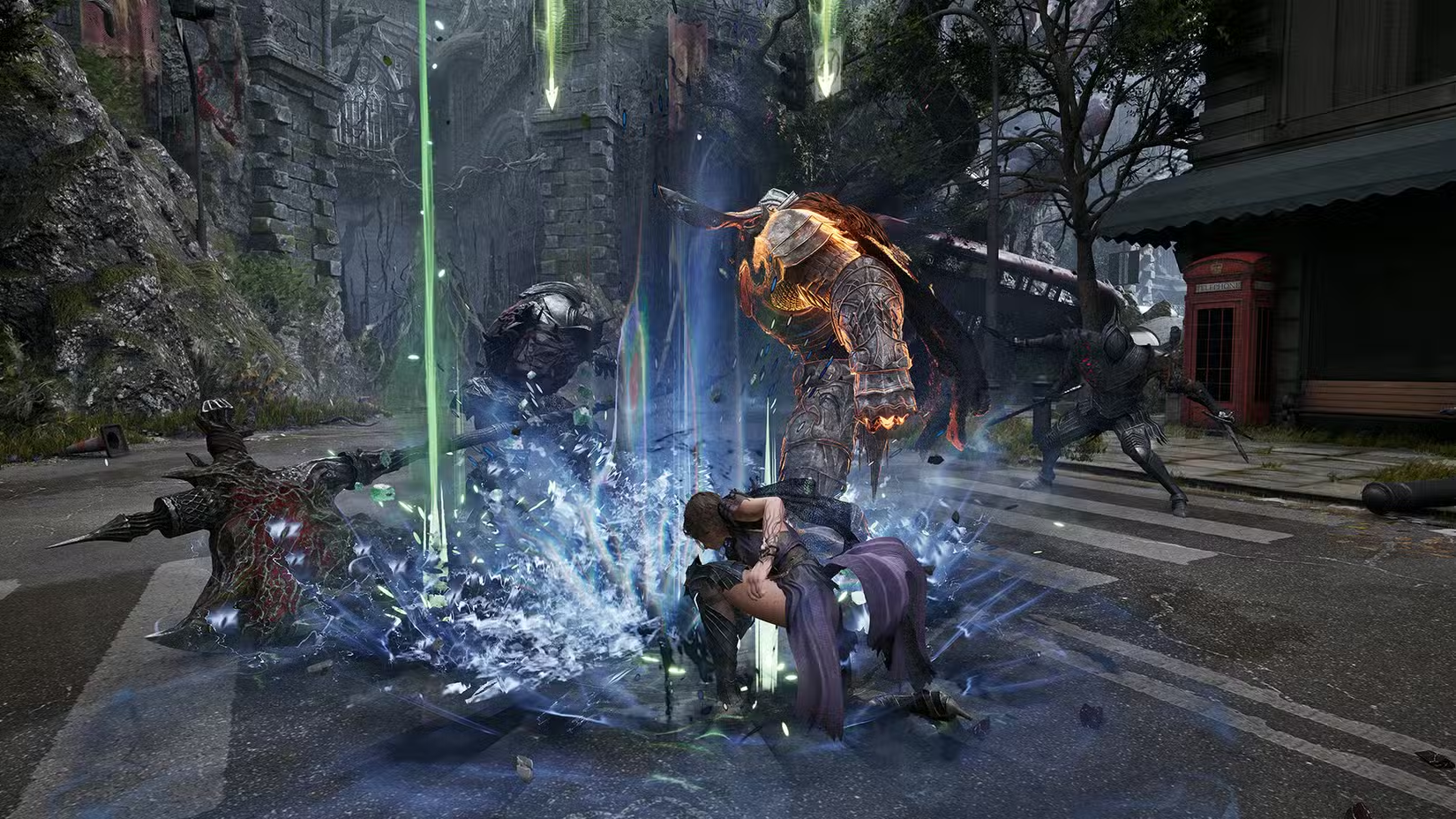
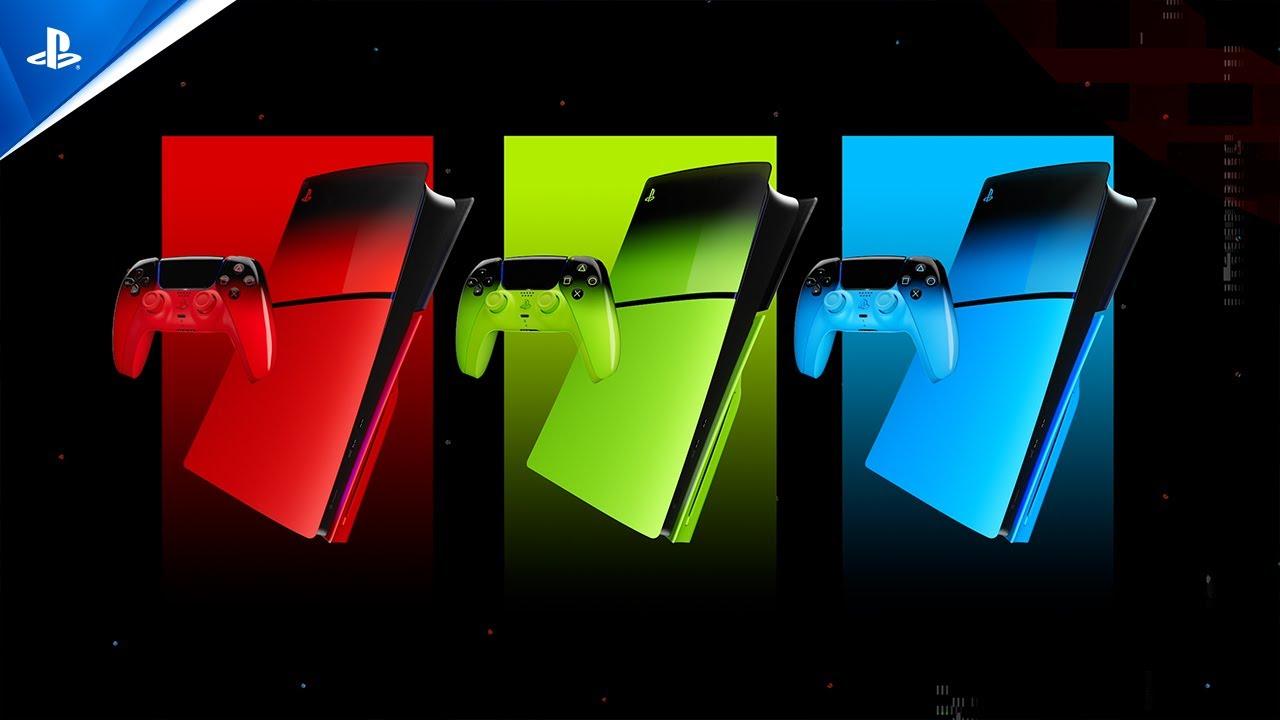
The recent release of the PlayStation 5 and Xbox Series X represents the pinnacle of current gaming technology. With features like ray tracing, ultra-fast load times, and expansive open worlds, these consoles offer unprecedented levels of detail and immersion. Games like Cyberpunk 2077 and Demon’s Souls showcase the potential of next-generation gaming, pushing the boundaries of what is possible.
Conclusion: The Future of TV Games
The journey from Pong to the PlayStation 5 is a testament to the creativity and innovation that defines the television game industry. As technology continues to advance, the possibilities for interactive entertainment are limitless. Virtual reality, augmented reality, and cloud gaming are just a few of the exciting developments on the horizon, promising to further revolutionize the way we experience TV games.
The evolution of TV games is a story of constant change and adaptation, driven by the desire to create more engaging and immersive experiences. As we look to the future, one thing is certain: the world of TV games will continue to captivate and inspire players for generations to come.
Virtual Reality and Augmented Reality: New Frontiers
As we look ahead, virtual reality (VR) and augmented reality (AR) stand out as transformative technologies poised to redefine TV games. VR immerses players in fully realized virtual worlds, offering a sense of presence and interactivity that traditional gaming cannot match. Devices like the Oculus Quest and PlayStation VR have already demonstrated the potential of VR, allowing players to explore diverse environments and physically interact with the game world.

On the other hand, AR overlays digital information onto the real world, blending the physical and virtual in innovative ways. Games like Pokémon GO have popularized AR by encouraging players to interact with their surroundings in new and exciting ways. The potential applications for AR in TV games are vast, from enhancing gameplay mechanics to creating interactive storytelling experiences that unfold in real-world settings.
Cloud Gaming: A New Era of Accessibility
Cloud gaming represents another significant shift in the TV game landscape, promising to make high-quality gaming more accessible than ever before. Services like Google Stadia and Microsoft’s Xbox Cloud Gaming (formerly known as Project xCloud) allow players to stream games directly to their devices, eliminating the need for expensive hardware. This democratization of gaming could potentially broaden the audience, inviting more people to experience the joys of TV games without the traditional barriers to entry.
Moreover, cloud gaming offers the convenience of playing on multiple devices, whether it’s a smartphone, tablet, or smart TV, without the need for downloads or installations. As internet infrastructure continues to improve, the viability and appeal of cloud gaming are likely to grow, paving the way for a new era of gaming accessibility.
Inclusive and Diverse Gaming: A New Paradigm

The evolution of TV games is also characterized by a growing emphasis on diversity and inclusion. Developers are increasingly recognizing the importance of representing a wide range of voices and experiences in their games. Titles like The Last of Us Part II and Life is Strange have been praised for their nuanced portrayals of characters from diverse backgrounds and for tackling complex social issues.
This shift towards inclusive gaming not only enriches the storytelling potential of TV games but also ensures that players from all walks of life see themselves represented in the games they play. By embracing diversity, the gaming industry is fostering a more welcoming and vibrant community.
Looking Forward: The Endless Possibilities of TV Games
As the TV game industry continues to evolve, it’s clear that the future holds endless possibilities. From advancements in AI-driven game design to the integration of blockchain technology for secure and transparent in-game transactions, the potential for innovation is boundless.
Additionally, the ongoing development of technologies like 5G will further enhance the capabilities of TV games, enabling faster and more reliable online experiences. The future of TV games is one of interconnectedness, where players can seamlessly engage with rich, interactive worlds and communities, regardless of geographic location.
In conclusion, the evolution of TV games from Pong to the PlayStation 5 is a remarkable journey marked by innovation, creativity, and a relentless pursuit of new frontiers. As we stand on the cusp of the next era in gaming, it’s exciting to imagine what the future holds for this dynamic and ever-evolving medium.